

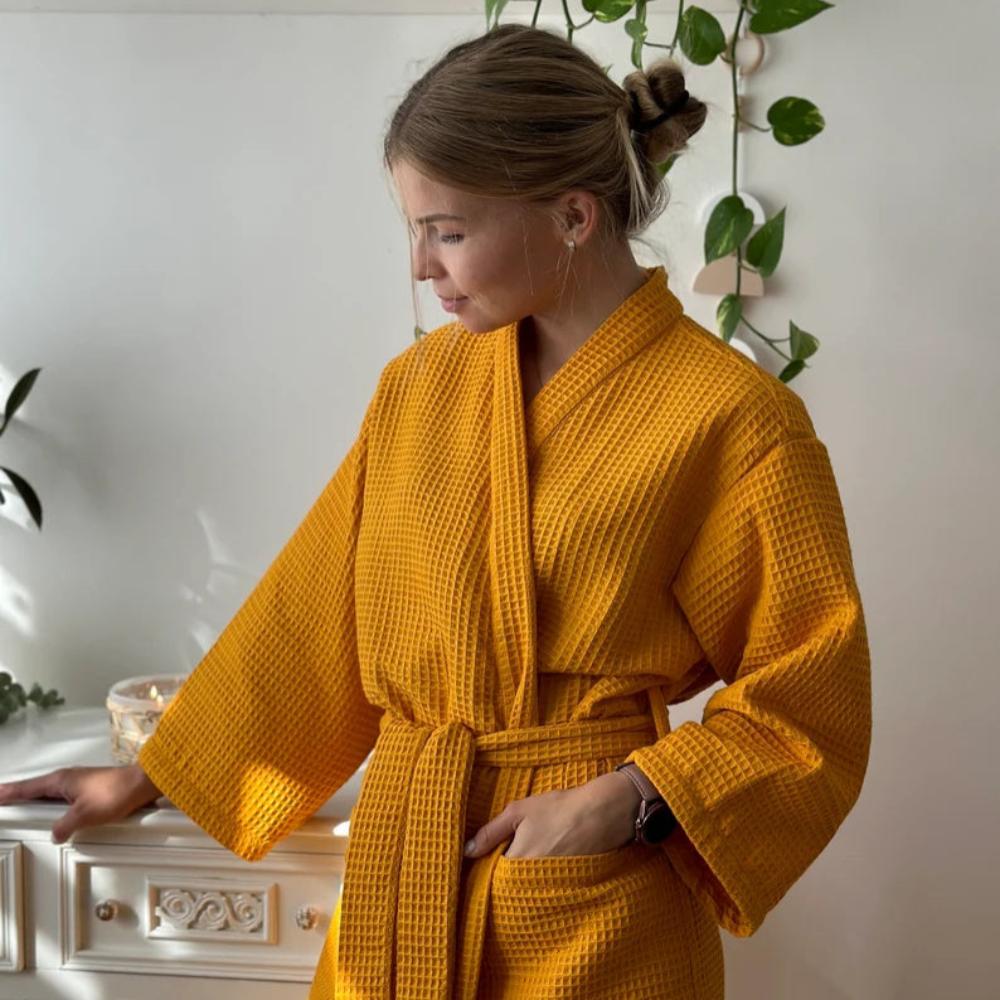
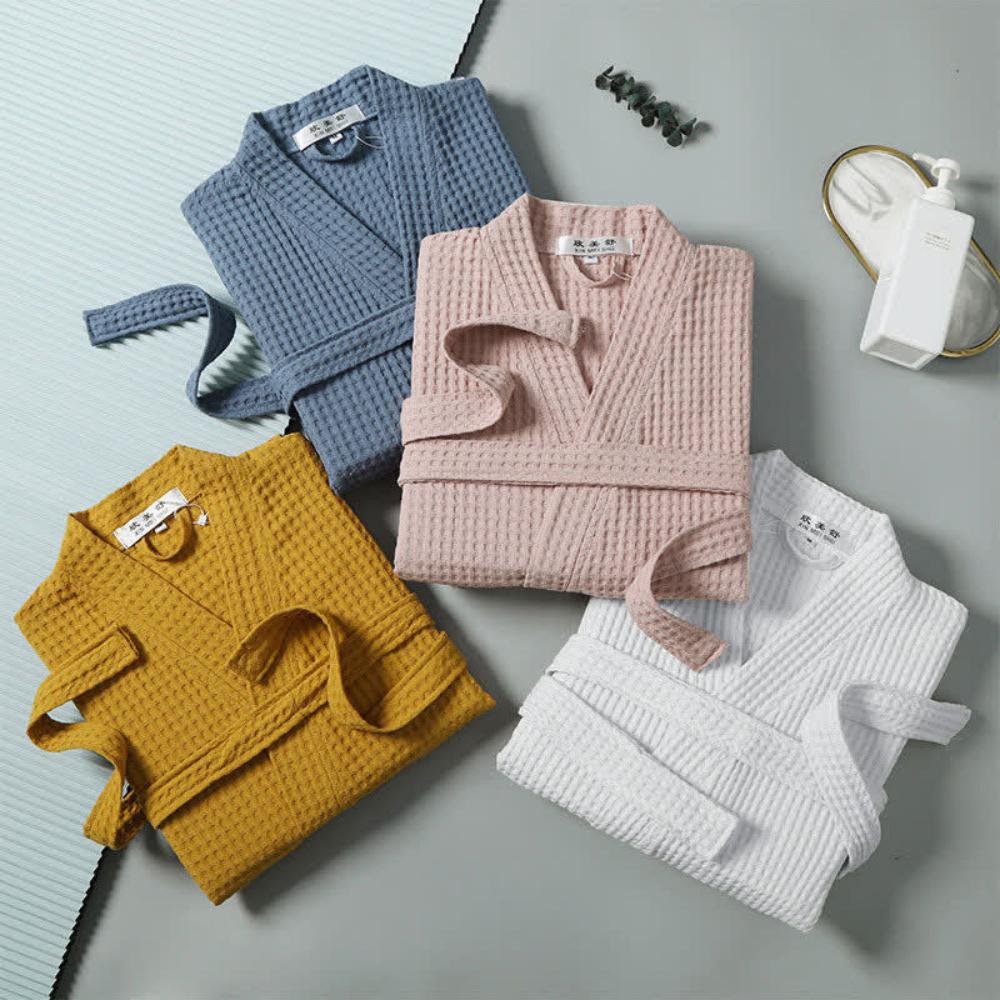
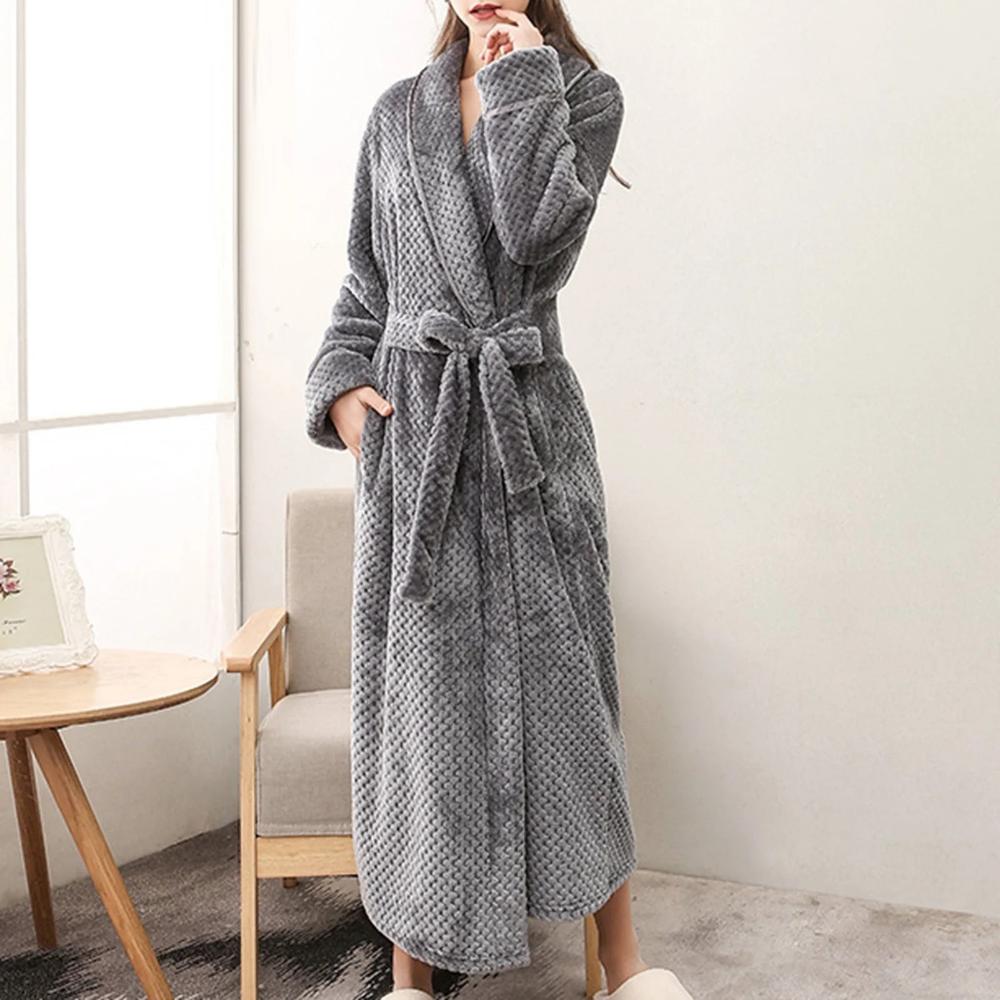
- Black FridaySave 41%Peignoir à col en V gaufréPrix de vente $103.00Prix normal
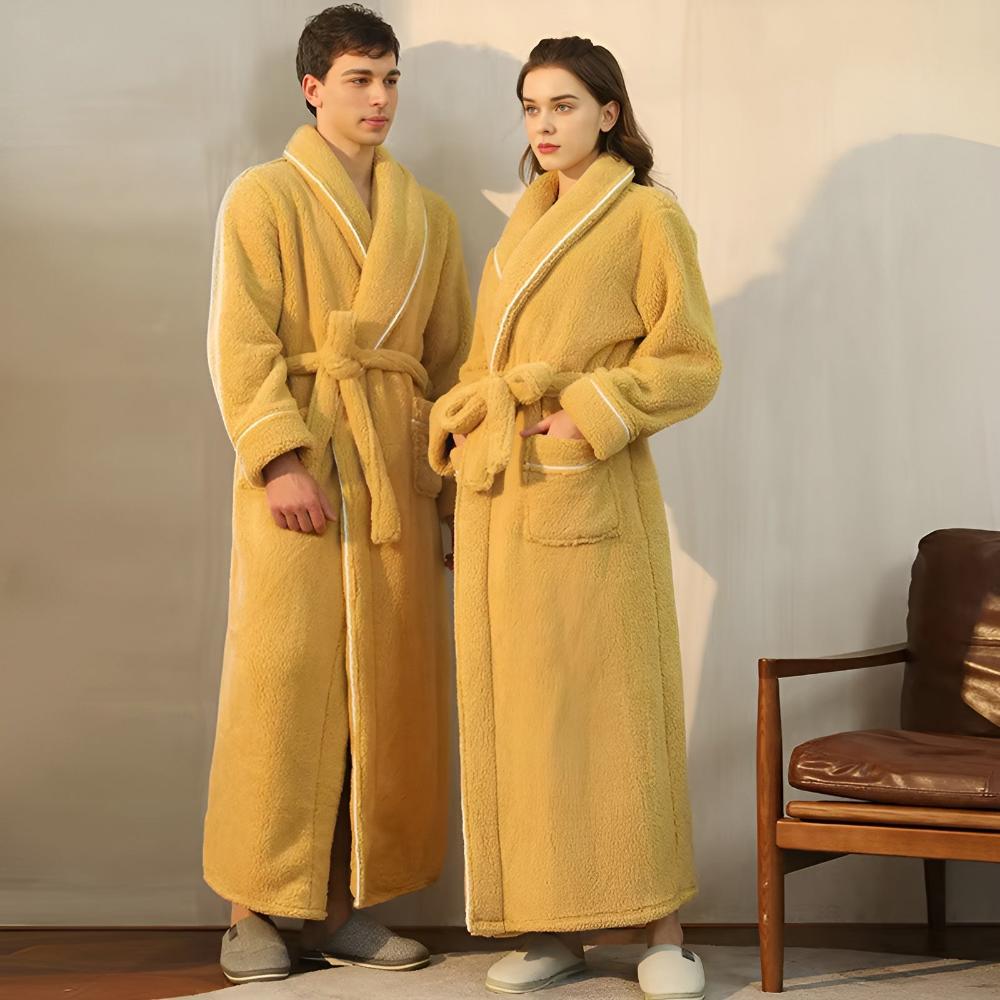
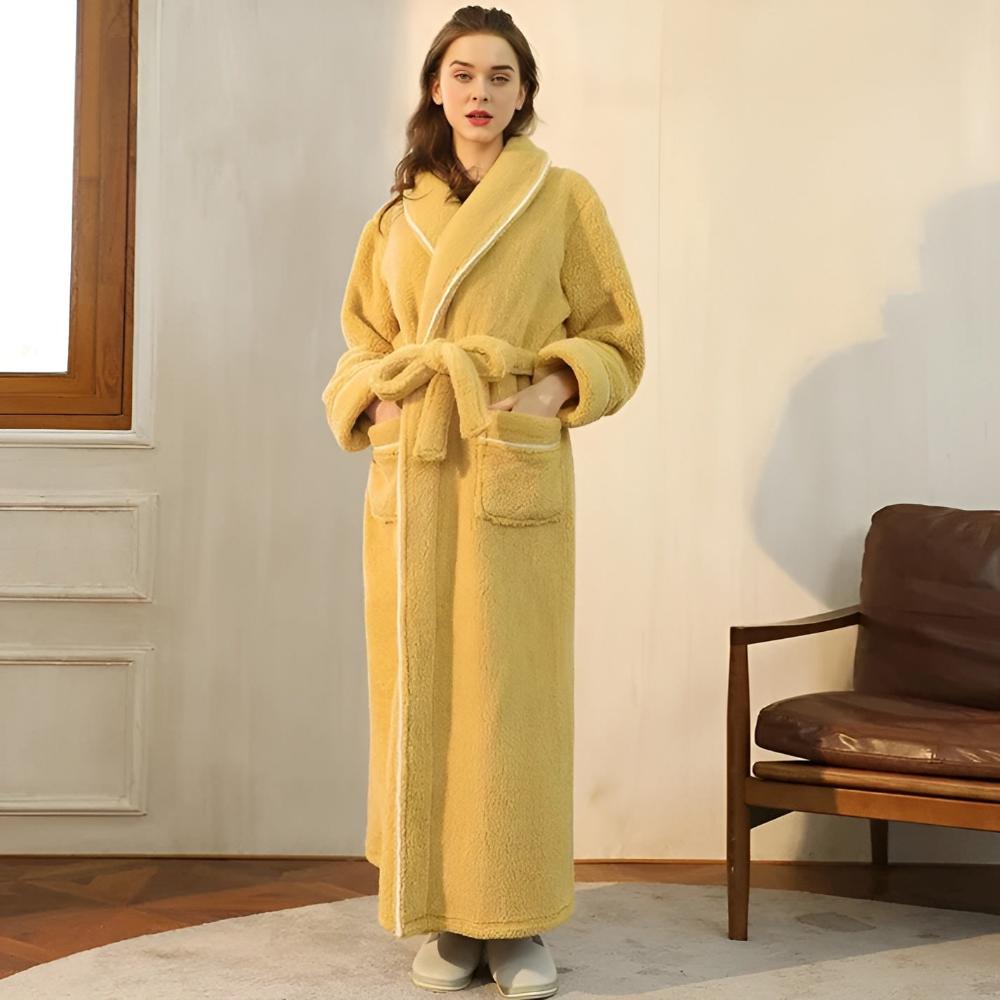
$176.00 - Black FridaySave 42%Peignoir confort SherpaPrix de vente $132.00Prix normal
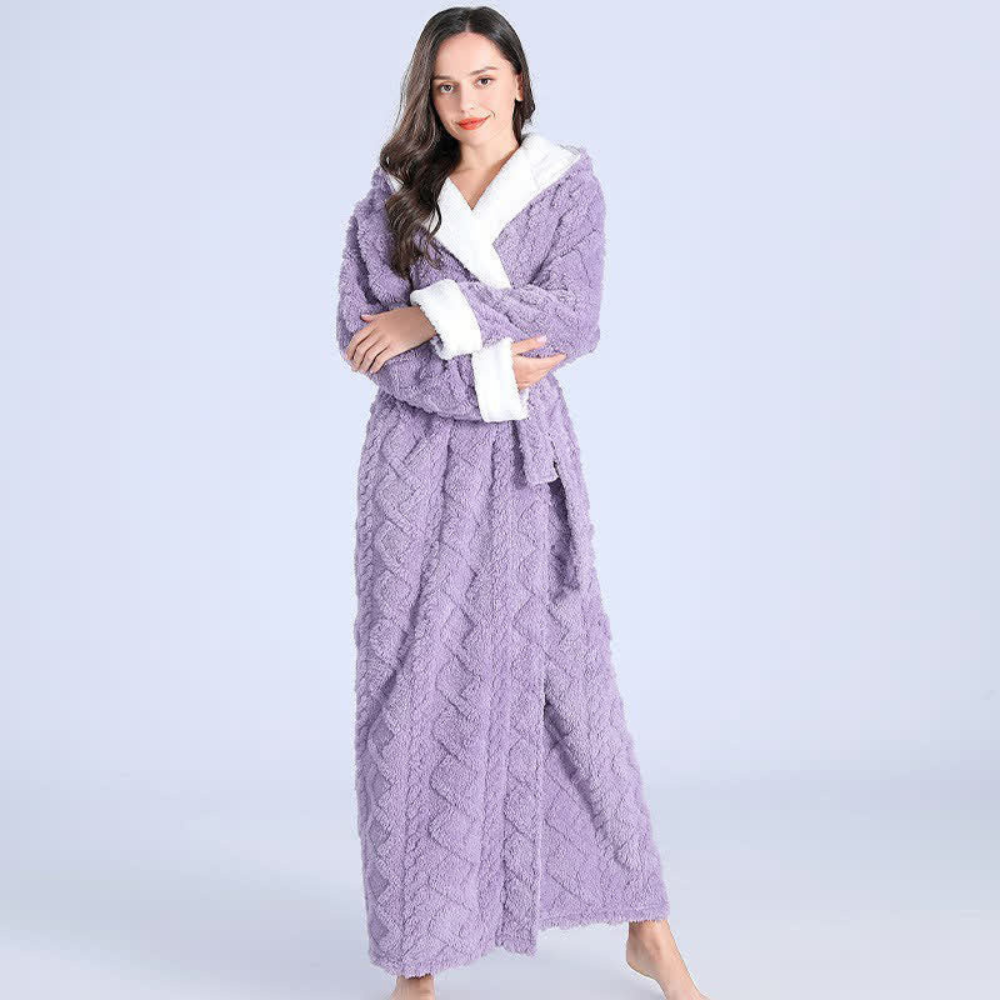
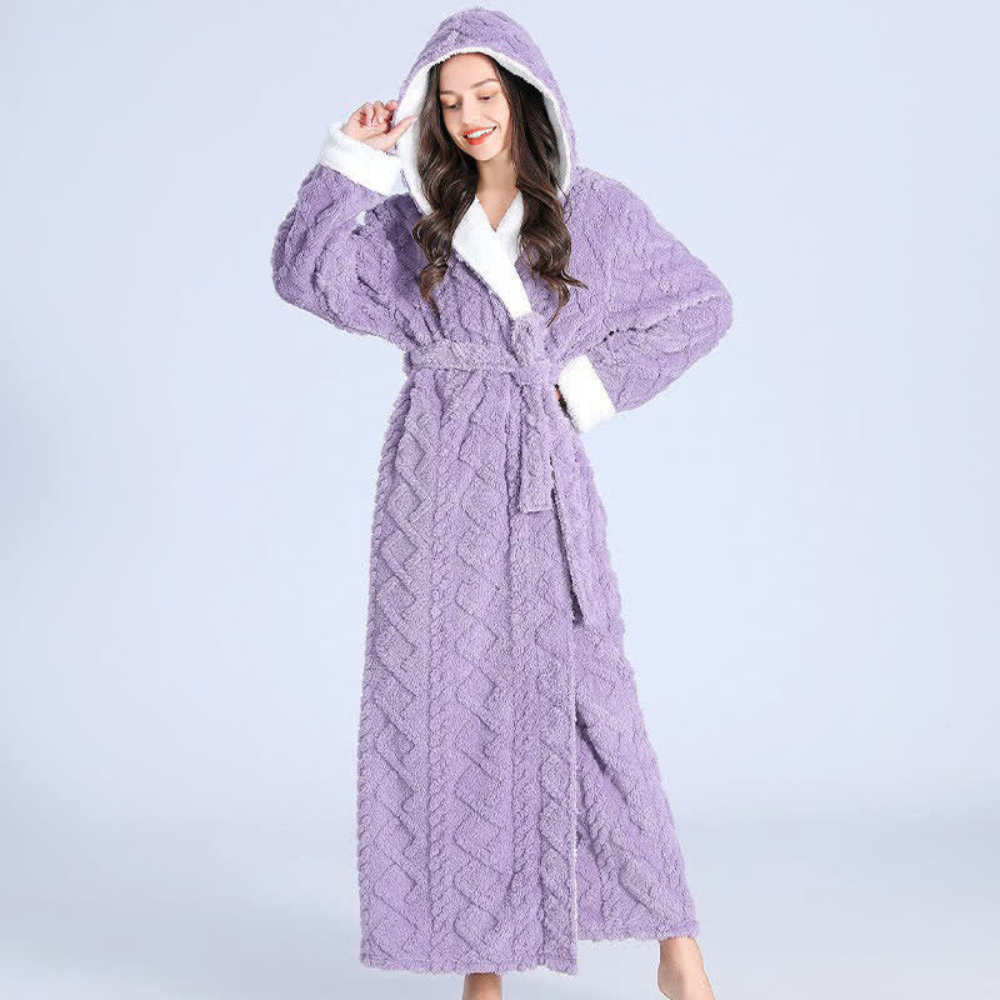
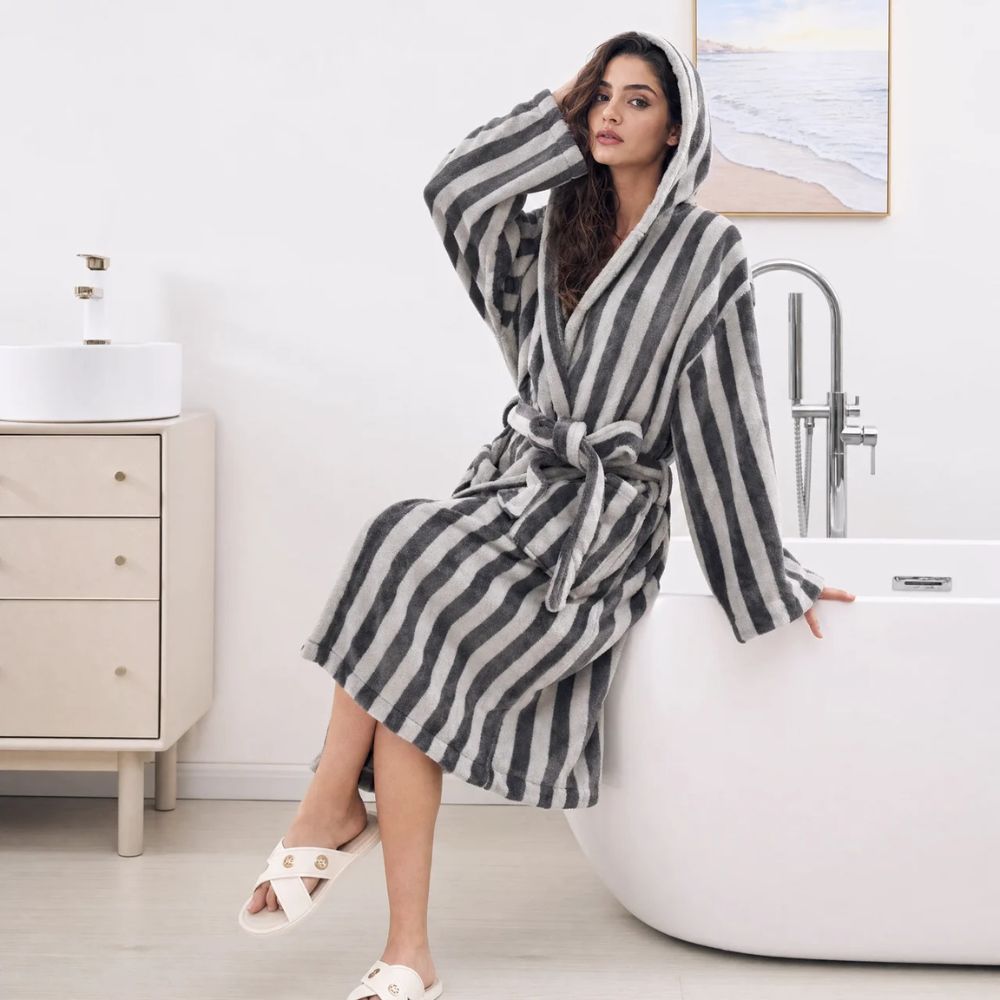
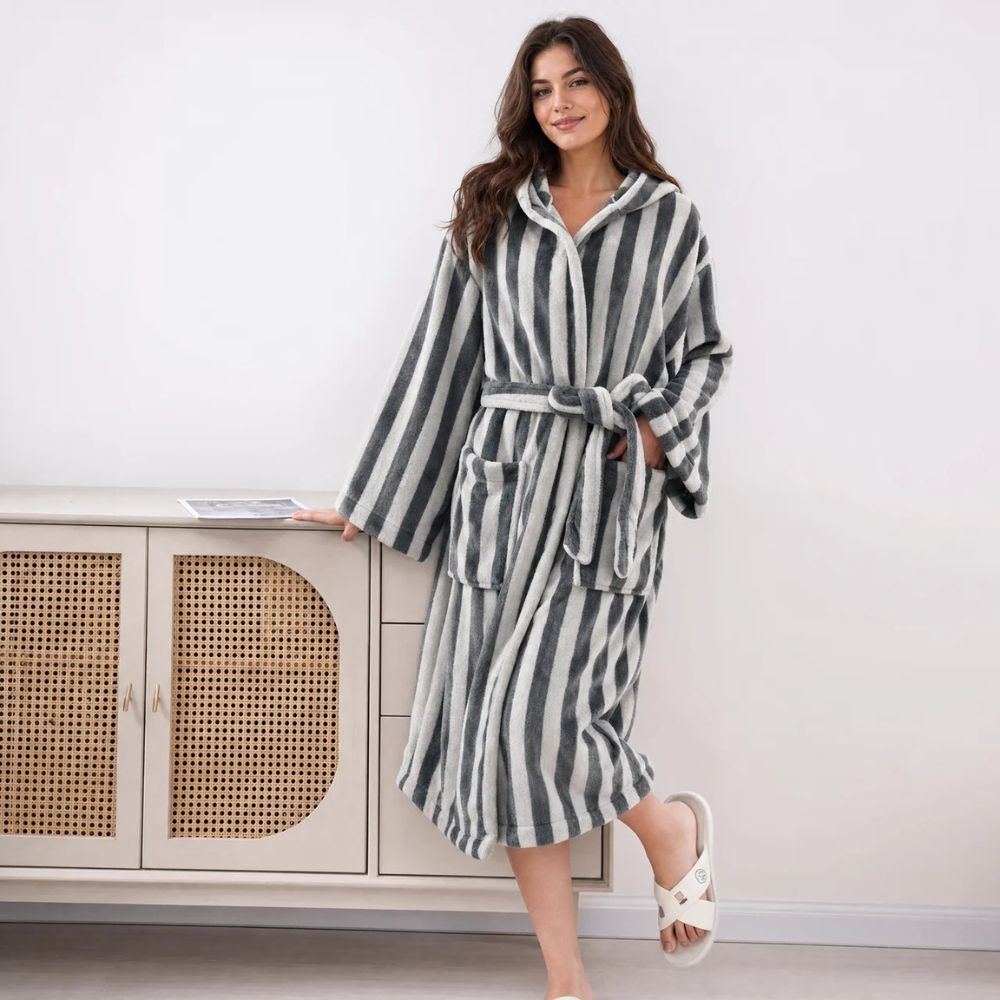
$227.00 - Black FridaySave 41%Peignoir long à capuche en peluchePrix de vente $147.00Prix normal
$249.00 - Black FridaySave 43%Peignoir en polaire rêveurPrix de vente $117.00Prix normal
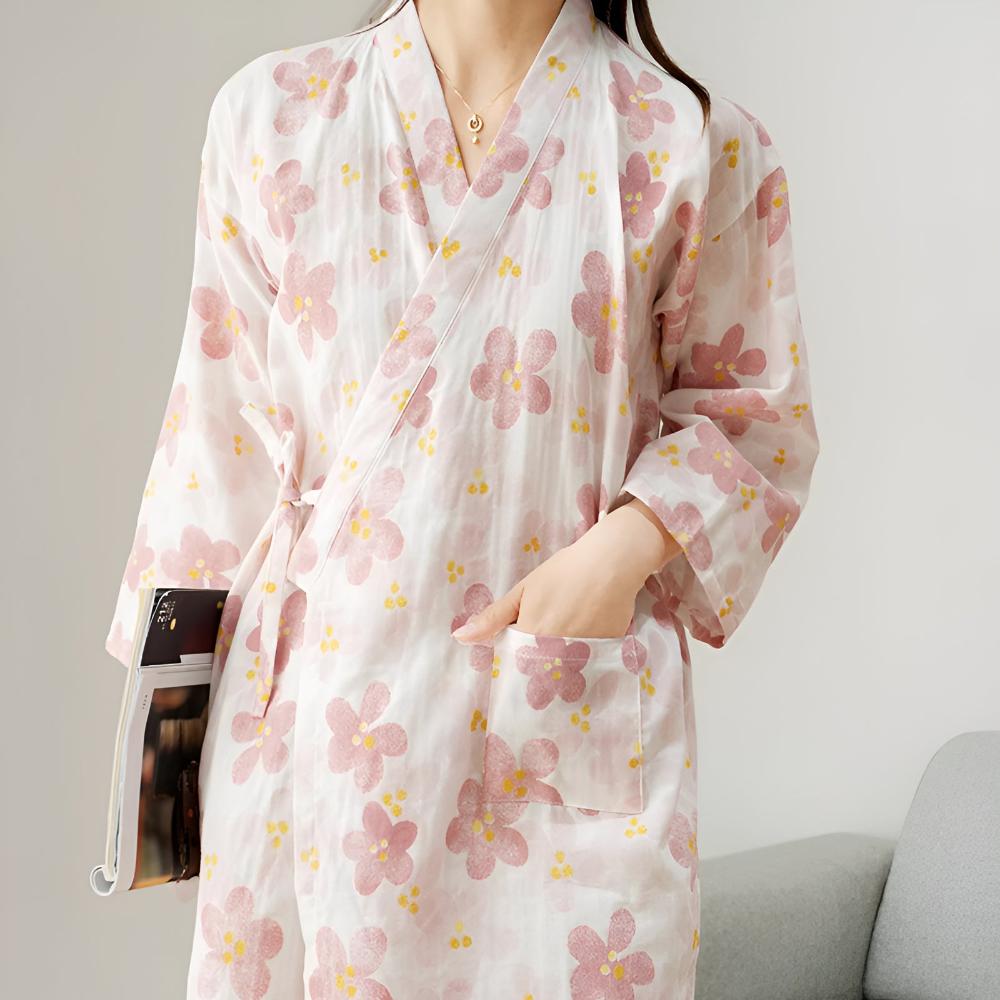
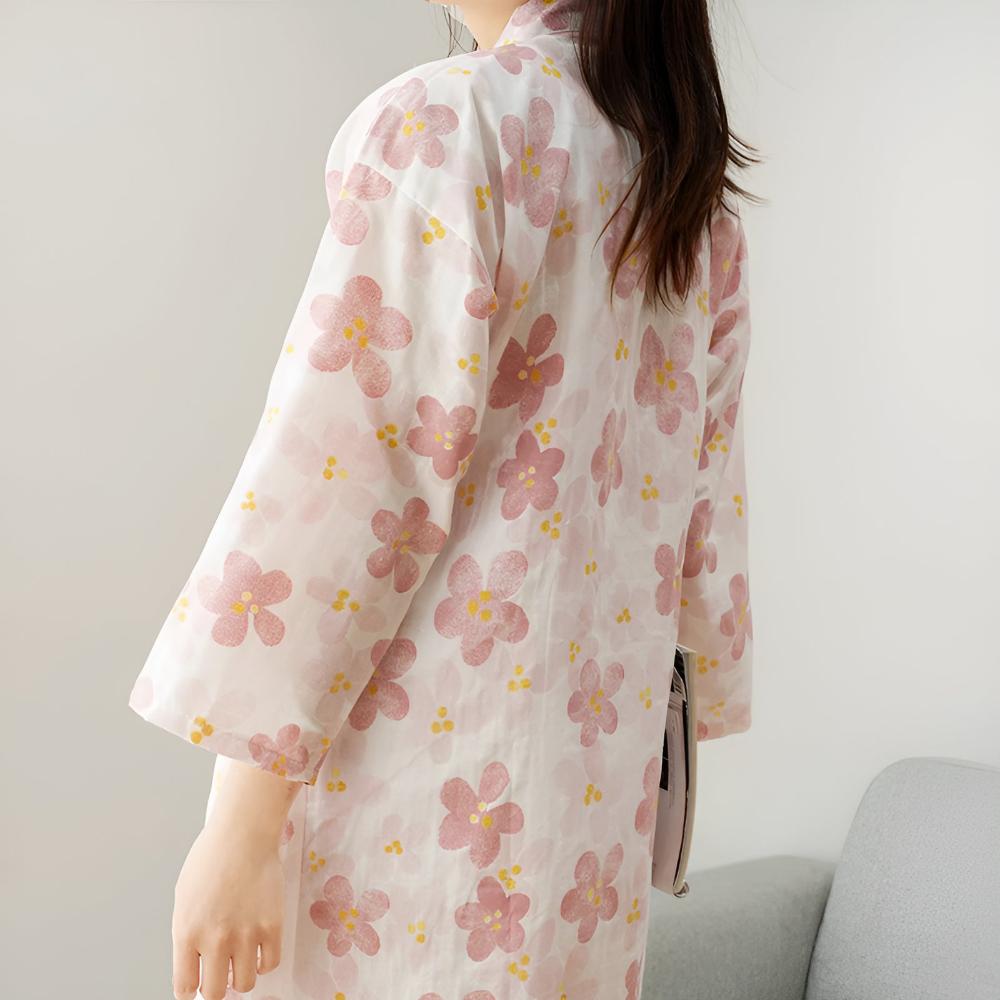
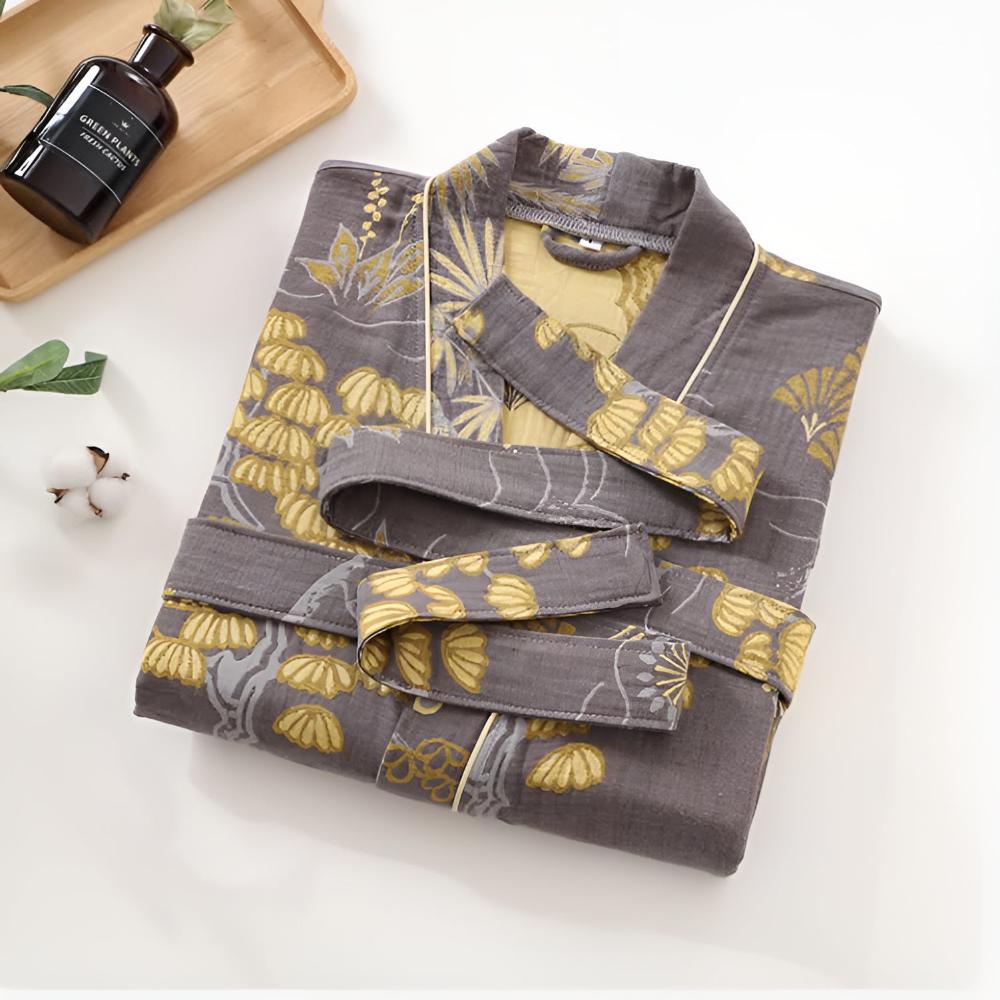
$205.00 - Black FridaySave 41%Peignoir en coton à motif floral pour femmePrix de vente $74.00Prix normal
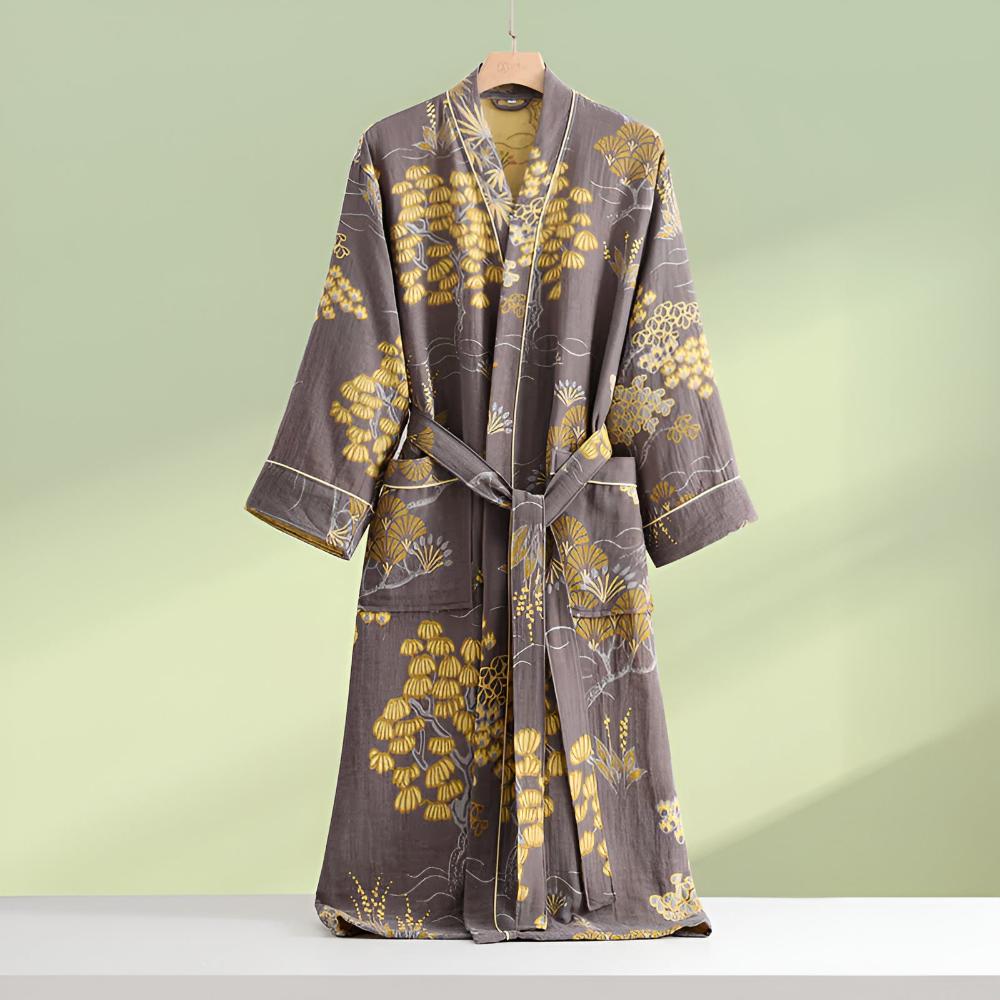
$125.00 - Black FridaySave 41%Peignoir jacquard de luxe SolanePrix de vente $191.00Prix normal
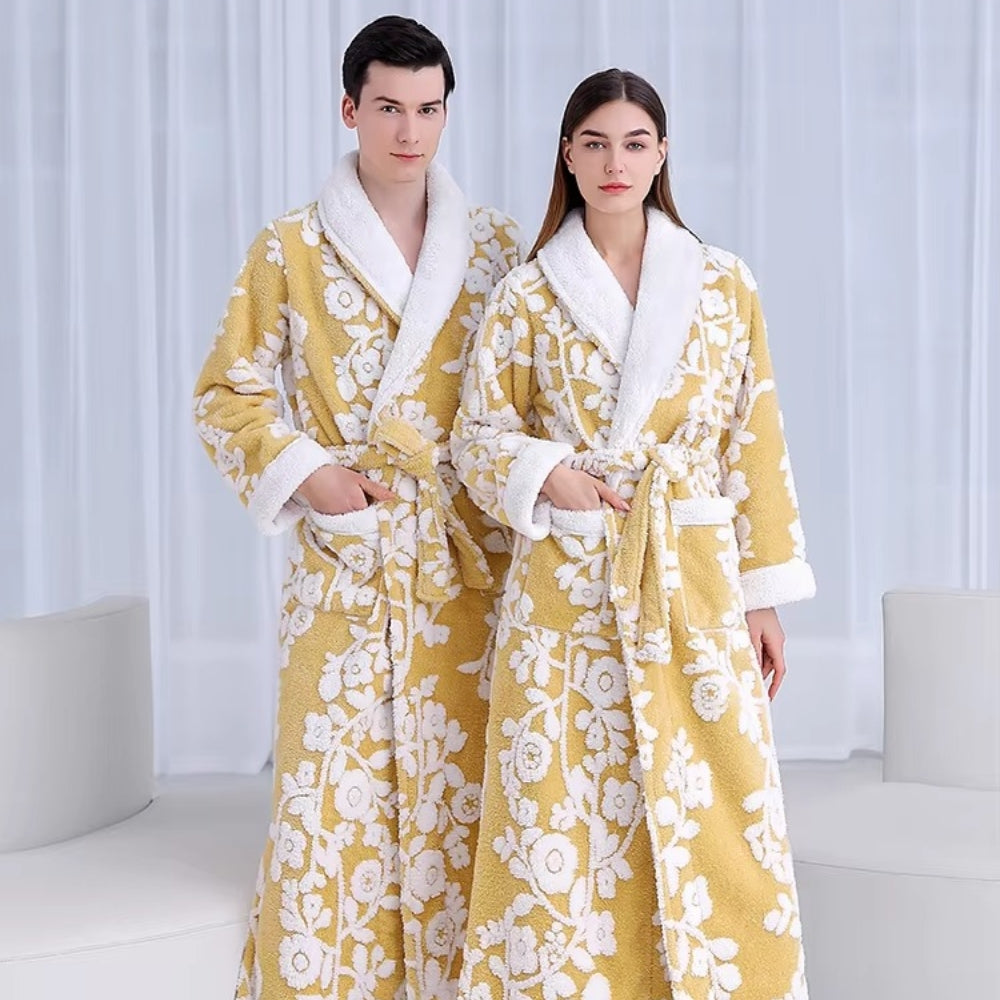
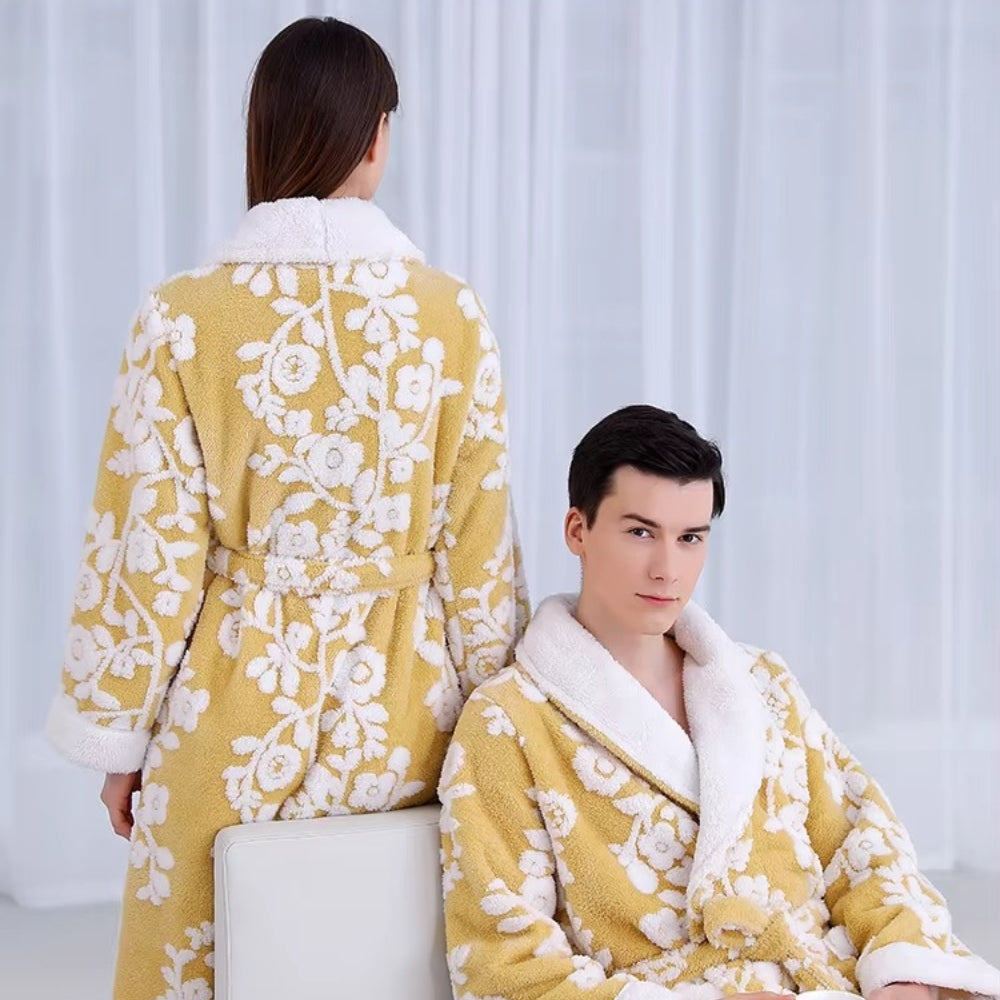
$322.00 - Black FridaySave 41%Peignoir Imperial FloraPrix de vente $103.00Prix normal
$176.00 - Black FridaySave 41%Peignoir en polaire doucePrix de vente $103.00Prix normal
$176.00 - En rupturePeignoir en polaire confortablePrix de vente $88.00Prix normal
$147.00



Need help?
FAQs
What is the difference between a bathrobe and a dressing gown?
The terms bathrobe and dressing gown are often used interchangeably. In general, a bathrobe is more soft and absorbent and typically worn after bathing, while a dressing gown may refer to a lighter robe designed more for lounging or relaxing at home.
How long should a bathrobe be?
Bathrobe length usually comes down to your personal preference and how much warmth you want. Short robes are lighter and easier to move around in. Knee-length styles are one of the most common everyday options that are comfortable and versatile. Full-length bathrobes provide more coverage and warmth, which many people prefer especially during colder months.
How often should you wash a bathrobe?
Bathrobes used after bathing should usually be washed every 3 to 5 wears, although robes worn daily may need more frequent washing. If you use your robe mainly for lounging over clean pajamas, you can go longer between washes. To maintain its softness, always hang it in a well-ventilated area after use to ensure it dries completely.
What is the best bathrobe for warm weather?
Many people prefer lightweight bathrobes made from linen, waffle weave cotton, or other breathable fabrics when the weather is warm. These materials generally feel cooler, dry faster, and create less heat than thicker fleece or sherpa-style robes, which are usually better suited for colder seasons.
Are bathrobes absorbent?
How absorbent a bathrobe is depends mostly on the fabric. Terry cotton robes are the most absorbent, functioning like a heavy towel to soak up maximum moisture. Waffle-weave cotton is also highly absorbent but much lighter; its texture pulls water away from the skin while allowing the fabric to dry faster. In contrast, fleece and plush robes are designed for warmth and softness rather than soaking up water, making them better for lounging than for use immediately after a bath.