
Coverlet vs Quilt: What’s the Real Difference?
When it comes to layering a bed, coverlets and quilts are two of the most common choices, but they serve slightly different purposes. A quilt is usually made with stitched layers and light padding, while a coverlet is generally lighter, thinner, and designed more for styling, texture, and flexible coverage.
If you are comparing a coverlet and a quilt, the main question is not only which one is warmer. It is also how you want the bed to look, how easy you want the layer to be to style, and whether you prefer a soft decorative finish or a more traditional stitched bedding piece. Both have a place, and some beds are better off with one of each.
The Main Differences Between a Coverlet and Quilt
Most of the difference between the two comes down to padding, and everything else follows from it. Here is how a coverlet and a quilt compare across the things that matter once the bed is made.
| Feature | Coverlet | Quilt |
|---|---|---|
| Construction | Lightweight, minimal or no padding | Top fabric, light filling and backing, stitched together |
| Warmth | Light to moderate, designed to layer | Moderate, depending on the thickness of the filling |
| Bed finish | Smooth, decorative or softly textured | Stitched, structured and traditional |
| Flexibility | Easy to fold, drape, layer and restyle | Holds its shape, bulkier to fold and store |
| Care | Standard wash, quick to dry, simple to handle | Gentler cycle, slower to dry, more careful handling |

What Does a Coverlet Add to a Bed?
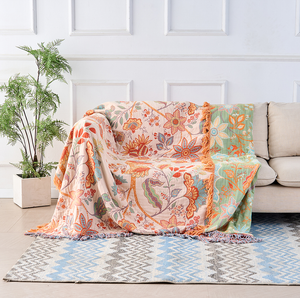
A coverlet adds a finished look without making the bed feel too heavy. It can sit over sheets through warmer months, fold across the end of the bed as an accent, or layer over blankets once the temperature drops. With so little padding, it drapes rather than sits.
Versatility is the main benefit. A coverlet gives the bed texture and colour without dominating the room, which matters when the walls or the headboard are already doing visual work. The same piece that finishes a bed in July can disappear under a blanket in January.
That lightness pays off in the laundry too. A coverlet takes a standard wash cycle, dries quickly, and folds down small enough for a linen cupboard rather than a blanket box.
All of this makes coverlets a good option for warmer sleepers, guest rooms, mild climates and bedrooms where the top layer is part of the styling rather than the main source of warmth. In cooler months, a coverlet can be paired with blankets or other bedding, which lets you build the warmth you need underneath and keep the finish you want on top.
What Does a Quilt Add to a Bed?
A quilt adds warmth and structure that a lighter layer cannot deliver on its own. Those stitched layers work as a single insulating piece, so depending on the thickness of the filling, a quilt can carry most of the warmth on a bed by itself.
Visually, the effect is different too. Stitching is part of the design rather than something hidden in the seams, which suits classic, cottage, vintage and heavily layered bedrooms. A quilt holds its shape across the mattress instead of draping over it.
Flexibility is the trade off. Quilts may be warmer than you need in mild weather, and the filling means a gentler wash cycle and a longer dry before the piece can be folded away. In a warm climate or a bedroom that changes with the seasons, that fixed warmth can work against you. In a cooler one, it is exactly what is needed.

Which One Suits Your Bedroom?
The right answer depends on your climate, your bedroom and the way you sleep, so it is worth being honest about all three before you buy.
Choose a coverlet if:
-
Your climate is warm, or you sleep hot
-
The bed gets restyled as the seasons change
-
Styling matters as much as warmth
-
Folding, washing and adjusting should be quick
-
Blankets already handle the warmth underneath
Choose a quilt if:
-
Nights run cool and one layer should handle it
-
Visible stitching belongs in the room's design
-
The bedroom leans classic, cottage or vintage
-
Structure and weight beat drape and flexibility
-
Building warmth from several pieces sounds like a chore
Layering a Coverlet and Quilt Together
Pairing them works precisely because they do different jobs. A quilt sits closest to the sleeper and does the insulating, while a coverlet goes over the top and adds colour and texture without weight.
Warmer months call for less. The quilt comes off, the coverlet moves up to become the main top layer, and the bed still looks deliberate rather than stripped back. That gives you more control than relying on one heavier piece all year.
Guest rooms work the same way. A quilt on the bed with a coverlet folded at the foot lets whoever is staying decide how warm they want to be, rather than leaving you to guess for them.
Final Thoughts
Bedding is one of the few things in a room you handle every single day, which is why the practical differences end up mattering more than the visual ones. A quilt asks you to commit to a level of warmth. A coverlet asks you to build it from what is underneath.
Most people find their answer by working backwards from a problem. A bed that looks unfinished wants a coverlet. A bed that sleeps cold wants a quilt. A bed that has been fine for years and simply needs refreshing may want neither, and a new set of blankets and pillows instead.
Casa & Beyond stocks all of it, so whichever the bed is asking for, you can build it around how you actually sleep. Browse our coverlets or explore the wider bedroom range for the soft layers that sit between them.


