
How Long Should Curtains Be?
Curtains should usually reach the floor or hang about ½ inch (1-2 cm) above it for the most polished look. In formal rooms, curtains can slightly puddle on the floor. Shorter lengths work better in kitchens or bathrooms. Hanging curtain rods higher above the window can also make ceilings appear taller and windows look larger.
Curtains can completely change the way a room looks. The right curtain length can make ceilings feel taller, windows appear larger, and the entire room look more polished and inviting.
But choosing the right size is where many people get stuck.
Should curtains touch the floor? Is it okay if they hang above it? How high should curtain rods be installed? And how do you measure curtains correctly without ending up with curtains that look too short? This guide explains exactly how long curtains should be, whether they should touch the floor, how to measure them correctly, and which curtain lengths work best in different rooms.
Why Curtain Length Matters More Than Most People Think
Curtains that are too short tend to make windows look smaller and ceilings feel lower, which can leave the whole room feeling a bit unfinished, even if the fabric itself is beautiful. Longer curtains, on the other hand, naturally draw the eye upward, soften the room, and make walls appear taller. That’s why floor-length curtains have become the go-to choice in most modern interiors.
But it’s not just about looks, as practicality matters too. Shorter curtains can make more sense in busy areas or spaces where there’s heat, moisture, or furniture nearby.
Before choosing a length, think about:
-
Style: Do you want the room to feel polished and elegant, or more relaxed and casual?
-
Everyday use: Is it a high-traffic area? How much maintenance are you comfortable with?
-
The room itself: Are the curtains close to sinks, radiators, or furniture?
In general, floor-length curtains are the safest and most versatile option. They work well with almost any interior style and instantly make a room feel more put together.
| Curtain Style | Where It Ends | Best For |
|---|---|---|
| Sill-Length | At or slightly above the window sill | Kitchens, bathrooms, windows with furniture underneath |
| Apron-Length | 4-6 inches (10-15 cm) below the sill | Small windows, guest rooms, cozy reading corners |
| Floor-Length | 1-2 cm above the floor (“float”) or touching it (“kiss”) | Living rooms, main bedrooms, dining rooms, home offices |
| Puddle | 2-6 inches (5-15 cm) pooling on the floor | Formal dining rooms, traditional or romantic spaces |
Should Curtains Touch the Floor? Standard Curtain Lengths Explained
Curtains can touch the floor if you want a more polished look and to make the room feel taller. However, in smaller or busier rooms, curtains that don’t fully reach the floor might be a more practical option.
Curtains usually fall into four main length categories, and the right choice depends on your room, lifestyle, and the overall atmosphere you want to create.
Sill-Length Curtains
Sill-length curtains stop right at the window sill or slightly above it. That small gap helps the fabric hang neatly without bunching up.
They’re practical, low-maintenance, and great for rooms where long curtains would just get in the way. By keeping the window area clean and uncluttered, shorter styles blend seamlessly into minimalist spaces. If there’s a kitchen sink, radiator, or furniture directly under the window, shorter curtains simply make everyday life easier.
Best for: Kitchens, bathrooms, laundry rooms, breakfast nooks, basements, or windows with furniture underneath.
Apron-Length Curtains
Apron curtains hang a little below the sill – usually around 4 to 6 inches (10-15 cm) lower. They feel softer and more finished than sill-length curtains while still staying practical and easy to clean.
This style works especially well for smaller windows or cozy rooms. It has a relaxed and a classic feel, though in larger rooms it can sometimes make windows look smaller than they are.
Best for: Guest rooms, casual dining areas, smaller bedrooms, and reading corners.
Floor-Length Curtains
Floor-length curtains are the most versatile and widely used option. They instantly make a room feel more polished and visually taller. Floor-length curtains also help soften a room and add warmth, especially in larger rooms, making them great for insulating windows against heat and cold. There are two common ways designers style them:
-
The Float: The fabric hangs about half an inch (1-2 cm) above the floor. It’s practical, clean-looking, and ideal for busy homes since the curtains won’t drag or collect dust.
-
The Kiss: The curtains lightly touch the floor (“kiss” it) for a seamless, tailored look. It feels elegant and intentional but requires more precise measurements.
Best for: Living rooms, bedrooms, dining rooms, home offices, sliding doors, and tall windows.
Puddle Curtains
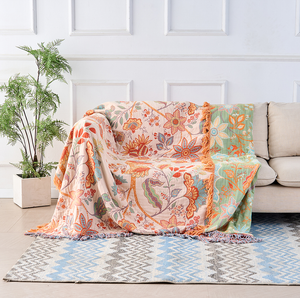
Puddle curtains are designed with extra fabric that pools onto the floor, usually by 2 to 6 inches (5-15 cm). The effect feels dramatic, romantic, and luxurious. This styling works beautifully with heavier, statement fabrics, such as the Casa & Beyond French Vintage Floral Tapestry Curtains, which naturally hold their shape and add a rich, layered texture to a room.
That said, they do require more upkeep. Since the fabric sits on the floor, it collects dust and pet hair more easily, wrinkles faster, and can be less practical for everyday use.
Best for: Formal dining rooms, traditional interiors, elegant bedrooms, and low-traffic spaces where style matters more than convenience.

French Vintage Floral Tapestry Curtain
A Classic French Floral Curtains for Cosy Interiors The French Vintage Floral Tapestry Curtain blend retro charm, comfort, and functionality, cr...

Nordic Bloom Kitchen Cabinet Curtain
Keep the Glare Out, Keep the Charm In The Nordic Bloom Kitchen Cabinet Curtain is a no-fuss way to cut glare and dress up your window. Made from UV...

Amber Glow Boho Crochet Curtain
Intricate Crochet Mesh for a Soft, Warm Ambiance! Bring an air of boho-chic elegance to your home with the Amber Glow Boho Crochet Curtain. This be...
How to Measure Curtains to Ensure the Optimal Length
To get the perfect look, you need to measure from the exact spot where your curtain rod will sit down to your desired end point (whether that is the windowsill, just below it, or the floor). Never measure from the window frame itself, as the hanging hardware will always affect the final length. If you want your curtains to lightly touch the floor, take your total height measurement from the rod down and subtract about half an inch (1 cm) for a clean “float” look, or measure all the way to the floor for a seamless "kiss."
When planning your measurements, keep in mind that the height of your curtain rod can completely transform your room. Designers usually recommend mounting the curtain rod 4-6 inches (10-15 cm) above the window frame, or even closer to the ceiling. Hanging the rod slightly higher and wider than the actual window opens up the room, tricks the eye into thinking the windows are much larger, and allows maximum natural light to enter the room.
Conclusion: So, How Long Should Your Curtains Be?
Ultimately, the right curtain length is about choosing what works best to make your room feel exactly the way you want. If you are aiming for a modern, high-end, and polished look, sticking to floor-length curtains with a clean "float" or an elegant "kiss" is almost always the safest and most stylish choice for living areas and bedrooms.
However, don't be afraid to choose practical, shorter styles like sill or apron-length curtains in high-traffic, functional spaces like kitchens and bathrooms where convenience matters most. By matching the right length to the unique layout and vibe of each room, you can easily create a beautiful, balanced, and welcoming home.


