
How to Measure Curtains
To measure curtains correctly, start with the rod, not the window. Measure the width of your curtain rod and multiply it by 1.5 to 2.5 to get the total panel width you'll need for a full, gathered look. Then measure the drop from where the curtain hangs on the rod down to wherever you want the hem to land, whether that's the sill, the floor, or somewhere in between.
Those two numbers, width and drop, are what actually determine whether new curtains look tailored or end up flat against the window glass and a few inches too short. The good news is that measuring curtains for windows only takes a tape measure, a calculator, and a few minutes. This guide walks through exactly how to measure curtains for any window, plus how the process changes for bay windows, sliding doors, and a few other trickier shapes.
What You'll Need Before You Start Measuring
-
A Metal Tape Measure: A steel tape holds its shape across a wide window better than a fabric one, which makes it easier to get an accurate reading.
-
A Step Stool: If your rod sits above head height or close to the ceiling, you’ll need a safe stool to reach and measure the area.
-
Something to Write On: Since you'll need to write down the measurements and do a bit of math along the way, you’ll need a pen and paper or your phone.
-
Another Person: It's not required, but it makes holding the tape steady across a wide window a lot easier.
-
A Rod, or at Least a Rough Plan for One: Almost every measurement in this guide starts from the rod rather than the window frame, so it helps to know where it's going before you measure anything else.
If you haven't bought a rod yet, decide on that first. It's much easier to measure once from a fixed point than to guess at rod placement and have to re-measure after it's installed.

How to Measure Curtains for Windows (Step-by-Step)
1. Decide Where to Mount the Curtain Rod
Before the tape measure comes out, decide whether you're doing an inside mount, where the rod sits inside the window frame, or an outside mount, where it's fixed to the wall above and around the frame. Outside mounts are the more common choice for standard curtain panels, since they let the fabric fully cover the glass and make the window look larger.
For an outside mount, aim to hang the rod about 4 to 6 inches (10-15 cm) above the window frame. In rooms with higher ceilings, mounting it closer to the ceiling line draws the eye up and makes the whole wall feel taller. This decision matters because it's the starting point for your drop measurement in step 4, so it's worth settling on before you measure anything else.
2. Measure the Rod Width
Once the rod is installed, or you know exactly where it will be mounted, measure the usable width of the rod from end to end, excluding decorative finials. If you're using curtain rings, measure the section of the rod where the rings can actually slide. This is the width you'll use to calculate how wide your curtain panels should be.
If you're using an outside mount, the rod is usually installed so it extends about 6 to 12 inches (15-30 cm) beyond each side of the window frame. That extra width lets the curtains stack fully open next to the frame instead of covering part of the glass, and it should already be built into the rod measurement you take here rather than added on separately later.
3. Calculate How Wide Your Curtains Should Be
Getting the curtain width right is one of the most important parts of the measuring process. Curtain panels are intentionally sold wider than the curtain rod to create fullness. Skipping this step is one of the most common reasons curtains end up looking flat and stretched instead of soft and elegantly gathered. The total width of your curtain panels should be 1.5 to 2.5 times the width of your curtain rod. For example, if your curtain rod measures 80 inches (200 cm) wide, aim for a combined curtain width of 120 to 200 inches (300-500 cm), depending on how full you want the curtains to look.
If a single panel doesn't come close to your target number, you'll need two panels, one per side, that add up to it. Sheer fabrics generally look best closer to 2.5x fullness, since the material is thin enough that it needs extra volume to look substantial rather than see-through. Heavier, textured fabrics can hold their shape well with less fullness because the weight of the material does some of the work for you, which is worth keeping in mind if you're drawn to a thicker weave.
| Curtain Style | Where It Ends | Best For |
|---|---|---|
| Sill-Length | At or slightly above the window sill | Kitchens, bathrooms, windows with furniture underneath. |
| Apron-Length | 4–6 inches (10–15 cm) below the sill | Small windows, guest rooms, cozy reading corners. |
| Floor-Length | 1–2 cm above the floor ("float") or touching it ("kiss") | Living rooms, main bedrooms, dining rooms, home offices. |
| Puddle | 2–6 inches (5–15 cm) pooling on the floor | Formal dining rooms, traditional or romantic spaces. |
4. Measure the Drop (Length) From Rod to Desired Endpoint
Measure straight down from the exact point where the curtain hangs on the rod, not the top of the rod itself, to wherever you want the hem to land. If you're not sure yet whether you want your curtains sill-length, floor-length, or puddling slightly, curtain length often comes down to the room more than personal taste, so it's worth deciding before you settle on a final drop. Curtain panels are also typically sold in a handful of standard lengths, which is useful to know before you start measuring so you're not chasing an odd number.
5. Consider How the Curtains Hang
The header, meaning how the fabric attaches to the rod, changes how much length you actually need to buy. A rod pocket curtain has fabric folded over and stitched to slide directly onto the rod, so the top of the fabric sits at roughly the same height as the top of the rod itself. Tab top and back tab styles work similarly, with loops or a strip of fabric holding the panel just below the rod.
Curtains hung with rings and clips sit differently. The clip adds an inch or two below the rod before the fabric even starts, which means the panel itself can be shorter than your drop measurement and still land in the right spot. If you're using hooks with pinch-pleat or pencil-pleat headers, check the specific hook placement, since that also shifts where the fabric actually starts hanging. When in doubt, check the product's sizing details for "finished length," which should already account for the header style, rather than assuming every curtain measures the same way from packaging to packaging.
6. Double-Check Before You Buy
Measure everything a second time before you order. It only takes a minute, and it's a lot easier to catch a mistake now than to deal with a return later. Once you have your numbers, compare them against the specific product's size chart rather than assuming "standard" means the same thing across brands.
How to Measure Curtains for Different Window Types
Standard Windows
For a single rectangular window, the process above covers everything you need. Measure the rod width, apply your fullness ratio, and measure the drop from rod to endpoint. Most standard bedroom and living room windows fall into this category, and it's the easiest shape to get right on the first try.
Bay or Corner Windows
Bay and corner windows usually need a curved or angled rod system, or separate rods for each section of glass. Measure each section of the window individually rather than trying to take one long measurement across the whole bay, since the angles will throw off your total. Add up the fullness for each section separately too, since a single panel stretched across an angled rod tends to pull awkwardly at the corners instead of hanging flat.
If your bay window has a window seat or furniture built into the alcove, sill-length or apron-length curtains for each section usually work better than floor-length panels, which can end up pooling on the seat cushion instead of the floor.
French Doors and Sliding Doors
Doors need a bit more clearance built in. Mount the rod high enough, and wide enough, that the curtains can stack fully to one or both sides without blocking the door when it's in use. For sliding doors especially, plan for the curtain to gather entirely to the fixed side of the door, since the sliding panel needs to stay clear.
Length matters more here too, since fabric that drags on the floor is going to catch on the door track every time it's used. A drop that floats just above the floor, rather than touching or puddling, tends to hold up better on high-traffic doors. If you're using curtains here mainly for privacy or light control rather than looks, it's worth checking whether a blackout-lined option makes more sense for a glass door that gets direct sun.
Windows With Limited Wall Space
If there's only a few inches of wall on either side of the window, mounting an outside rod with the usual 6 to 12 inches (15-30 cm) of extension isn't going to work. In that case, measure exactly how much clear wall you actually have and mount the rod as wide as that space allows, even if it's less than ideal. An inside mount is also worth considering here, since it doesn't require any extra width at all.
Keep in mind that a narrower rod means your curtains will cover more of the glass when fully open, since there's less room for the fabric to stack to the sides. Choosing a slightly lower fullness ratio, closer to 1.5x, can help keep the stacked panels from taking up too much of the limited space you have.

Noiréa Neutral Curtain Panels
Elevate Your Space with Elegant Noiréa Curtains Add a refined and cosy touch to your space with the Noiréa Curtain Panels. Featuring a timeless neu...

French Vintage Floral Tapestry Curtain
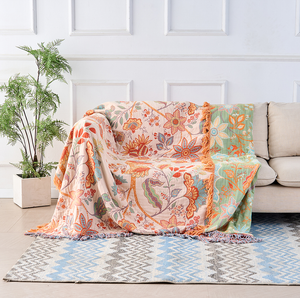
A Classic French Floral Curtains for Cosy Interiors The French Vintage Floral Tapestry Curtain blend retro charm, comfort, and functionality, cr...

Amber Glow Boho Crochet Curtain
Intricate Crochet Mesh for a Soft, Warm Ambiance! Bring an air of boho-chic elegance to your home with the Amber Glow Boho Crochet Curtain. This be...
Common Curtain Measuring Mistakes to Avoid
-
Measuring the Window Frame Instead of the Rod: The frame tells you nothing about how wide the finished curtains need to be, since the rod almost always extends beyond it.
-
Buying Panels with No Fullness Built In: A panel that matches the rod width exactly will hang flat instead of gathered, no matter how nice the fabric is.
-
Forgetting the Header Style: Rings and clips add a bit of drop before the fabric starts, while rod pocket styles don't, so the same panel length can land differently depending on how it's hung.
-
Mounting the Rod Too Low or Too Narrow: This is one of the most common styling mistakes, and it's also the hardest one to fix after the curtains are already up and the holes are drilled.
-
Buying a Single Panel When the Window Needs Two: Anything wider than about 100 inches (254 cm) in one panel gets heavy and awkward to draw open and closed, so it's usually better split into a pair.
Final Thoughts: Getting Curtain Measurements Right the First Time
Measuring curtains comes down to two numbers: how wide the panels need to be for a full drape, and how long they need to hang for the look you want. Get those right, along with a rod mounted at the right height and width, and the rest of the process is mostly just double-checking your own math before you order.
Getting the fit right is really only half the job, though. A perfectly measured curtain still needs to be looked after to keep hanging the way it did on day one. Once your new curtains are up, a little regular care goes a long way toward keeping them looking that way. Most fabrics only need an occasional gentle wash to stay looking crisp, so it's worth knowing the basics before the first spill or dusty week catches up with them.


